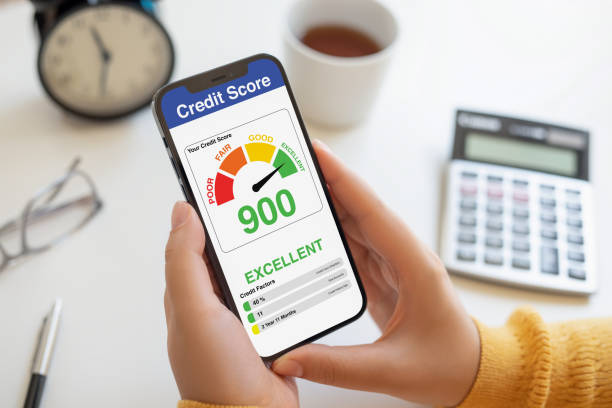
Getting a personal loan in the USA can be challenging if you have a low credit score. However, it’s still possible to secure funding by understanding your options, preparing documentation, and choosing lenders who specialize in bad credit loans.
In this guide, you’ll learn:
- How personal loans work
- Options for borrowers with bad credit
- Step-by-step application process
- Tips to improve approval chances
- Key things to avoid
What Is a Personal Loan?
A personal loan is an unsecured loan offered by banks, credit unions, or online lenders that can be used for:
- Debt consolidation
- Medical expenses
- Home improvements
- Emergencies or large purchases
Unlike credit cards, personal loans are fixed-term loans with predictable monthly payments.
Can You Get a Personal Loan With Bad Credit?
Yes, but there are a few important points to know:
- Interest rates are usually higher than those for borrowers with good credit.
- Loan amounts may be lower.
- Some lenders specialize in bad credit loans.
- Approval depends on factors beyond credit score, such as income, employment, and debt-to-income ratio.
With proper planning, even a credit score below 600 does not automatically disqualify you.
Step-by-Step Guide to Getting a Personal Loan With Bad Credit
Step 1: Check Your Credit Score
Before applying, know your credit score. Common scoring ranges:
- Excellent: 750+
- Good: 700–749
- Fair: 650–699
- Poor/Bad: Below 650
Use services like Experian, TransUnion, or Equifax to check your score for free.
Step 2: Determine Your Loan Needs
- Decide the exact amount you need
- Determine your repayment timeline
- Calculate an affordable monthly payment
Avoid borrowing more than necessary, as higher loan amounts increase interest costs and approval difficulty.
Step 3: Explore Lenders That Accept Bad Credit
Types of lenders include:
- Online lenders – Many specialize in bad credit personal loans. Examples: Avant, OneMain Financial, OppLoans.
- Credit unions – Often offer lower rates for members, even with lower credit scores.
- Banks – Some banks provide personal loans to existing customers with subprime credit.
Compare:
- Interest rates
- Fees (origination, prepayment penalties)
- Loan amounts and terms
- Customer reviews and transparency
Step 4: Gather Required Documentation
Most lenders will ask for:
- Proof of identity (passport, driver’s license)
- Proof of income (pay stubs, bank statements)
- Employment verification
- Address verification
Some lenders may also consider your banking history or alternative financial data if your credit is poor.
Step 5: Apply Online or In-Person
- Complete the application carefully
- Enter accurate information
- Choose the loan term that matches your repayment ability
- Avoid multiple simultaneous applications, as each hard credit inquiry may lower your score
Step 6: Review Offers Carefully
If approved, you’ll typically receive:
- Loan amount
- Interest rate (fixed or variable)
- Repayment term (months or years)
- Fees and penalties
Do not accept loans with extremely high APRs unless it’s your last resort.
Step 7: Accept and Receive Funds
Once accepted:
- Sign the loan agreement
- Funds are usually deposited into your bank account within 1–5 business days
- Set up automatic payments to avoid late fees and improve credit score
Tips to Improve Approval Chances With Bad Credit
- Apply with a co-signer if possible
- Reduce existing debts before applying
- Maintain stable employment and income
- Provide additional proof of financial responsibility (savings, assets)
- Avoid applying to multiple lenders at once
Common Mistakes to Avoid
- Borrowing more than you can afford
- Ignoring fees and APRs
- Falling for “guaranteed approval” scams
- Missing payments, which can worsen your credit
Careful planning is key to using a personal loan to improve your financial situation rather than worsen it.
Frequently Asked Questions
1. Can I Get a Personal Loan With a Credit Score Below 600?
Yes, some lenders specialize in bad credit loans. Approval depends on income, employment, and other factors as well.
2. Are Personal Loans With Bad Credit More Expensive?
Yes. Interest rates are typically higher than standard loans, but fixed rates provide predictability.
3. Can I Refinance a Bad Credit Personal Loan?
Yes. Once your credit improves, refinancing can lower your interest rate and monthly payments.
4. Are There Alternatives to Personal Loans?
Yes, alternatives include:
- Credit union loans
- Peer-to-peer lending
- Borrowing from family/friends
- Employer advance programs
Final Thoughts
Getting a personal loan in the USA with bad credit is possible but requires preparation, careful lender selection, and responsible borrowing. Focus on:
- Choosing reputable lenders
- Borrowing only what you need
- Understanding terms and fees
- Making timely payments to improve your credit
With the right approach, a personal loan can provide financial relief and help rebuild your credit score over time.